Cherry Knot Number - 3: A Designer’s Stitch Test
First Impressions of the Cherry Knot Style
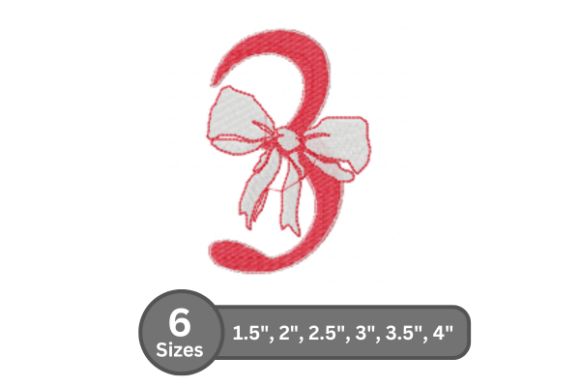
When evaluating a new machine embroidery design for my production lineup, I look beyond the digital preview. The screen tells me what the digitizer intended, but only the needle and thread tell me if it is actually viable for a handmade product. My first impression of Cherry Knot Number - 3 was that it possesses a distinctively soft, organic architecture. Unlike rigid block numerals or overly ornate Victorian scripts, this design sits comfortably in a "cottage chic" or modern vintage aesthetic. The knot motif suggests continuity and craftsmanship, which immediately signals value to customers browsing Etsy seller listings or boutique shelves.
Visually, the shape feels balanced. For a numeral, achieving visual weight without looking clunky is difficult, especially when translating vector art into stitches. This design appears to respect the natural drape of fabric rather than fighting against it. As a designer, I appreciate that the personality here is playful yet refined. It does not scream for attention but rather invites a closer look, making it an excellent candidate for projects where the embroidery should enhance the item rather than dominate it entirely.
Real-World Application: Stitching a Custom Tote Bag
To truly understand the utility of Cherry Knot Number - 3, I mentally walked through a recent client request for a personalized canvas tote bag intended as a bridesmaid gift. The client wanted a number representing the wedding date, but standard fonts felt too corporate. This is where this specific design shines in a real embroidery project.
On a natural cotton canvas, the texture of the fill stitch areas in this design would interact beautifully with the weave of the fabric. Because tote bags are handled frequently, durability is paramount. I noted that the stitch path likely avoids excessive jump stitches, which is crucial for maintaining structural integrity on heavy-duty materials. When positioning Cherry Knot Number - 3 on the tote, I found its proportions allowed for ample negative space around the numeral. This breathing room is essential for personalized gift items; it prevents the design from looking crowded near seams or handles.
Furthermore, considering this as a tote bag design, the legibility remains high even if the bag becomes wrinkled or stuffed. The knotted elements provide enough internal contrast to remain recognizable at a glance, ensuring the finished product looks professional in photos and in person. For a small shop product, this level of readability translates directly to customer trust and perceived quality.
Fabric Compatibility and Stabilizer Strategy
While versatile, Cherry Knot Number - 3 requires thoughtful preparation depending on your substrate. Not all fabrics treat decorative numerals equally. Here is my practical breakdown for different applications:
- Sweatshirt Embroidery: Fleece and French terry can swallow fine details. If using this design on knitwear, verify the stitch density. You may need a water-soluble topping to prevent the stitches from sinking into the pile. The knot details must remain raised to be visible.
- Baby Embroidery: For onesies or blankets, softness is non-negotiable. Ensure the back of the design is not scratchy. If the digitizing includes dense satin columns, consider using a lightweight cut-away stabilizer to maintain flexibility without adding bulk that irritates sensitive skin.
- Tea Towels and Linens: These woven fabrics are generally forgiving. However, because linens can shift, proper hooping is vital. Cherry Knot Number - 3 likely performs best with a medium-weight tear-away stabilizer here to keep the lines crisp without leaving residue.
- Stretchy Performance Wear: Proceed with caution. Decorative knots can pucker on spandex blends. Always test on scrap fabric first. You might need to reduce the density slightly or use a fusible backing to anchor the embroidery file securely before stitching.
Navigating Technical Constraints and Hoop Sizes
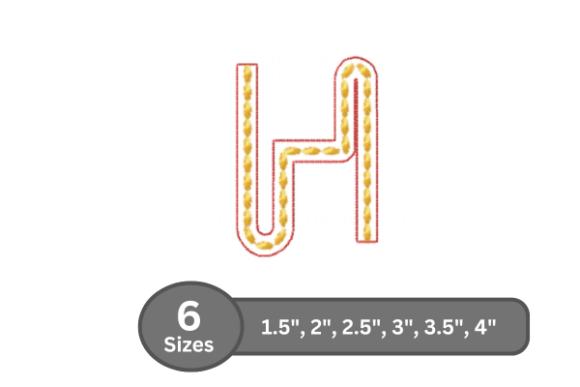
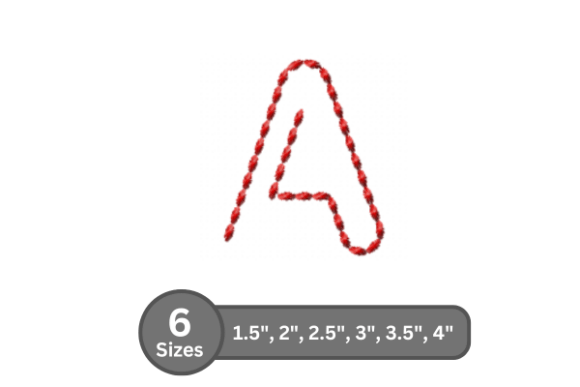
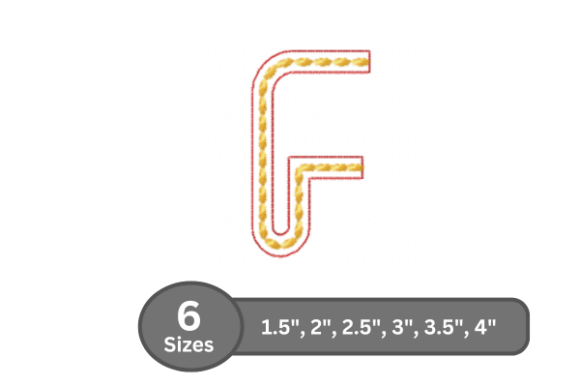
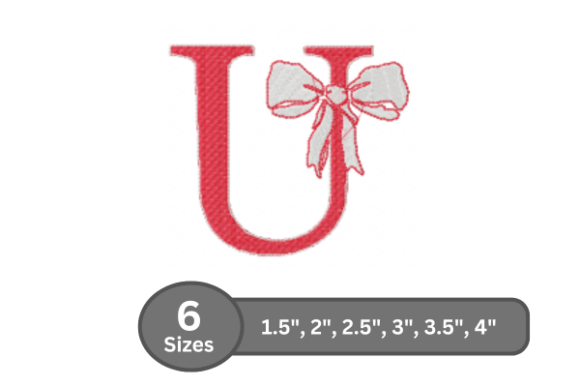
The product description notes that this design comes in multiple sizes, which is a massive advantage for commercial embroidery workflows. However, resizing is not always risk-free. As a reviewer, I advise checking the smallest available size carefully. When decorative elements like knots are scaled down, they can turn into thread nests. If you intend to use Cherry Knot Number - 3 as a tiny accent on a collar or cuff, inspect the running stitch definition in the preview or test sew.
Conversely, when scaling up for large custom apparel like jacket backs or pillow covers, watch for gaps between fill areas. A well-digitized file will have appropriate underlay to support larger spans, but it is your responsibility to confirm this matches your machine’s tension settings. Regarding hoop size, always choose the smallest hoop that comfortably fits the design. This maximizes fabric stability and reduces registration errors, especially important when aligning this number with other monogram elements.
For those creating printable mockups or digital previews for an online store, remember that screen rendering often smooths over texture. Your mockup should reflect the actual stitch direction and sheen of the thread colors you plan to use. Misrepresenting the texture in digital assets can lead to returns or dissatisfied clients who expected a flat print look rather than dimensional embroidery.
Commercial Viability and Brand Consistency
For craft business owners and makers, consistency builds brand recognition. Cherry Knot Number - 3 offers a cohesive style that pairs well with floral motifs, simple serif alphabets, or minimalist line art. If you are building a collection of holiday embroidery or nursery decor, this numeral provides a reliable anchor point that ties disparate products together.
From a sales perspective, this design supports higher price points because it reads as "boutique" rather than "generic." Customers associate intricate knot work with time and skill, even if it is machine-made. When listing this as part of a personalized gift service, highlight the stylistic choice. Explain why this specific font was chosen for their project. This narrative adds intangible value to the physical embroidered patch or garment.
However, a critical note for Etsy sellers and digital product vendors: Always verify the licensing terms included with your digital embroidery file. Confirm whether you have rights to sell finished physical goods, digitized variations, or just personal use. Protecting your business means respecting intellectual property. Additionally, before offering this as part of a customizable listing, create a physical sample. Photos of real stitches convert significantly better than software-generated images because they prove the design actually works on the promised materials.
Designer Notes for Optimal Results
Before loading Cherry Knot Number - 3 into your machine for a paid order, run through this practical checklist to ensure professional results:
- Contrast Check: Test thread colors against both light and dark fabrics. Intricate knot details disappear if the thread tone matches the fabric too closely. High contrast ensures the design pops.
- Density Audit: Feel the test swatch. Is it bulletproof? Too stiff? Adjust your machine tension or select a lighter density version if available for delicate fabrics.
- Alignment Marks: If combining this number with letters for a full monogram, use alignment stitches or laser guides. The organic shape of Cherry Knot Number - 3 requires precise placement to look centered relative to straight text.
- Wash Test: If selling custom apparel meant for frequent laundering, wash and dry your test piece. Check for puckering or thread shrinkage before committing to bulk production.
- Mockup Accuracy: When creating marketing materials, photograph the design in natural lighting. Shadows reveal the dimensionality of the satin and fill stitches, helping buyers understand the tactile quality of your work.
Ultimately, Cherry Knot Number - 3 is a strong contender for makers seeking a blend of charm and versatility. By approaching it with technical mindfulness and respecting its stylistic nuances, you can elevate your design assets from simple decoration to signature branding elements that resonate with clients and stand the test of wear.