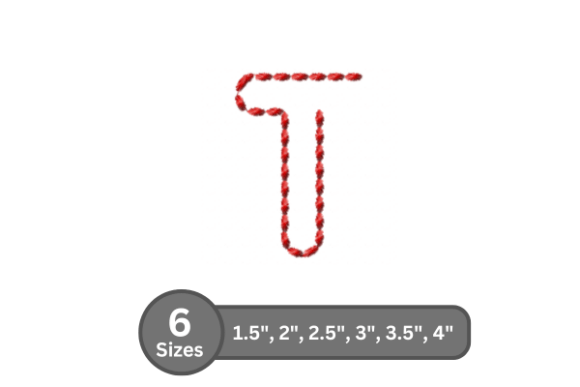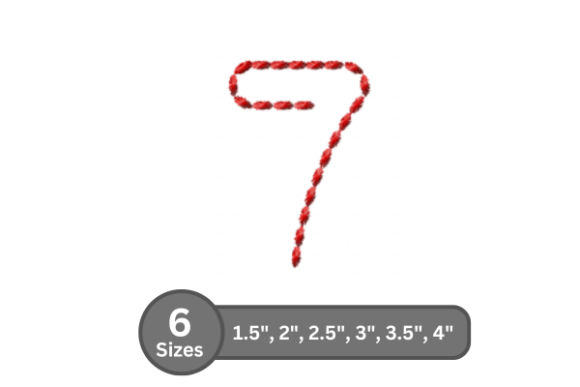
Soft Cord Number -7: A Designer’s Craft Fair Review
As I prepare my inventory for the upcoming weekend craft fair, every design choice must earn its place on the table. Space is limited, and customers make split-second decisions based on visual appeal and perceived quality. When evaluating Soft Cord Number -7 for my production lineup, I am looking at more than just a digital file; I am assessing a potential bestseller. This machine embroidery design promises smooth stitching and professional results, but how does it translate to physical products like tote bags, aprons, and tea towels? From the perspective of an experienced embroidery designer and small shop owner, here is my honest review of using this fill stitch font for commercial embroidery and handmade market goods.
First Impressions: Soft Elegance Meets Market Appeal
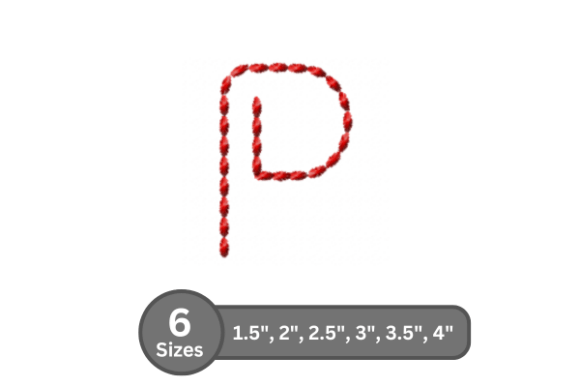
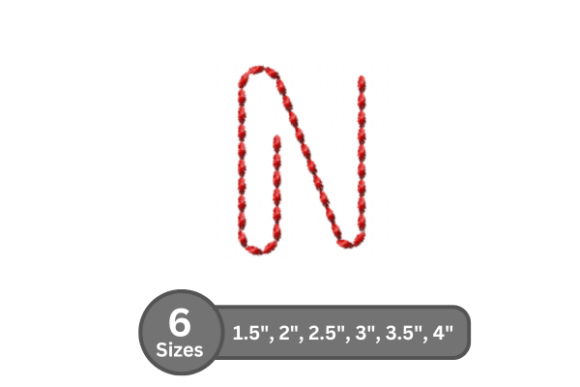
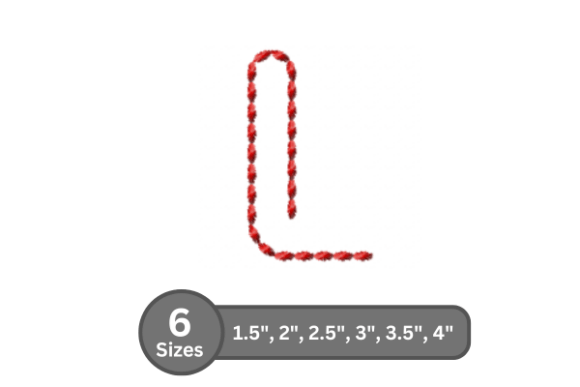
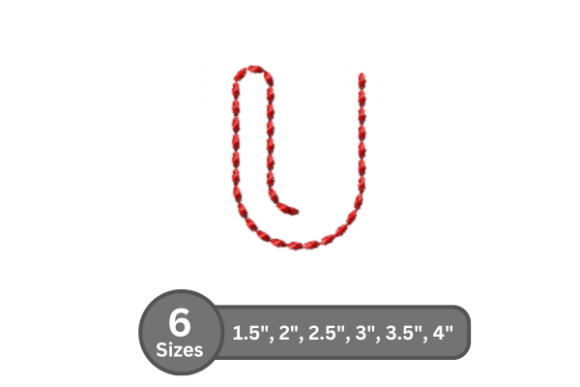
The first thing that strikes me about Soft Cord Number -7 is the balance between structure and softness. In the world of monograms and personalization, many fonts lean too heavily into rigid block letters or overly frilly scripts that can look dated. This design sits in a sweet spot of modern elegance. The "cord" aesthetic implies a rounded, dimensional quality that mimics hand-stitched cording, while the fill stitch construction ensures durability. For a craft fair product, this texture is vital. Customers want to touch the embroidery. They run their fingers over tea towel embroidery and apron designs to gauge quality. Soft Cord Number -7 offers that tactile satisfaction without the risk of snagging that comes with true raised cord techniques.
Visually, it reads as premium yet approachable. It feels appropriate for farmhouse-style kitchen goods, boutique baby items, and sophisticated personalized gifts. It is not so ornate that it alienates male buyers or those preferring minimalism, nor is it so plain that it looks like generic factory output. For an Etsy seller or boutique maker, this versatility means one embroidery file can serve multiple niches effectively.
Performance Across Key Handmade Products
When planning my booth display, I need to know where a design shines brightest. Based on the digitizing style described, here is how I envision Soft Cord Number -7 performing across different categories:
- Tote Bag Design: Canvas totes are a staple at markets. The fill stitch nature of this font provides excellent coverage on natural fibers like cotton canvas or linen. Because the stitches are designed for smoothness, they should lay flat against the bag's weave, preventing the puckering that often plagues tote bag embroidery. Personalized numbers for "Mom," "Teacher," or specific years sell exceptionally well here.
- Tea Towel Embroidery: Flour sack towels require a delicate touch. Heavy designs cause tunneling, but Soft Cord Number -7 appears optimized for lighter fabrics. The softness of the lettering complements the domestic utility of a kitchen towel. I would use this for wedding date towels or family recipe commemorations.
- Apron Embroidery: Aprons face high wear and frequent washing. The density of a fill stitch font generally holds up better than running stitches in laundry cycles. This makes it a practical choice for chef aprons or crafting smocks where longevity matters to the buyer.
- Small Pouches and Pillow Covers: On smaller items, legibility is key. Because this is a specialized number font, it works beautifully as a focal point rather than background noise. A single large "7" on a velvet pillow cover or a cosmetic pouch creates instant luxury value.
Production Practicalities for Batch Selling
A beautiful design is useless if it takes three hours to stitch out during a busy production week. For batch producing craft fair inventory, efficiency is everything. Soft Cord Number -7 seems digitized with production speed in mind. Fill stitch fonts typically have optimized jump sequences, reducing trim times and thread breaks. When you are hooping fifty napkins in a row, those seconds add up.
Furthermore, the repeatability of this design is high. Unlike complex scenic embroidery files that vary wildly in placement, a consistent font allows for perfect alignment across sets. If a customer buys a set of four coasters numbered 1 through 4, they expect uniformity. This digital embroidery file facilitates that consistency, which directly correlates to higher perceived value and repeat business.
For online sales, photographing textured embroidery can be tricky. However, the defined edges of a cord-style font tend to catch light well, creating shadows that highlight the stitch work in photos. This makes creating printable mockups and listing images significantly easier compared to flatter, matte-finish fonts.
Critical Use Notes and Fabric Considerations
Despite its versatility, no machine embroidery design is universal. As a designer, I must flag specific scenarios where caution is required when using Soft Cord Number -7:
- Fabric Texture Conflicts: While great on canvas and flour sack, highly textured terry cloth or plush fleece may obscure the finer details of the "cord" effect. Always test on scrap fabric first. You may need to adjust the underlay or increase stitch density slightly for high-pile fabrics.
- Curved Surfaces: If applying this to caps or curved pouches, verify the hoop size and design dimensions. Fill stitch fonts can distort on extreme curves if not properly stabilized. Use a curved cap frame or specialized stabilizer to maintain the integrity of the number shape.
- Small Sizing Limits: Check the minimum recommended size before shrinking this design for tags or labels. Reducing a fill stitch font too much can cause thread buildup and loss of clarity. If you need tiny numbering, look for a dedicated micro-font instead.
- Thread Contrast: The beauty of this design lies in its dimensionality. Using a thread color that matches the fabric exactly will hide the stitch definition. Opt for contrasting thread colors or tonal shades that allow the light to reveal the stitching pattern.
Designer Checklist Before Commercial Production
Before loading Soft Cord Number -7 into my machine for a full production run, I adhere to a strict quality control protocol. This ensures that every finished product leaving my studio meets professional standards.
- Verify Licensing: Confirm that the digital embroidery file includes commercial licensing for selling finished products. Never assume; always check the designer’s terms.
- Stabilizer Selection: Match your stabilizer to the fabric weight. Cut-away for stretchy knits, tear-away for stable wovens, and water-soluble toppings for textured surfaces.
- Test Stitch-Out: Always run a sample on the exact fabric intended for the final product. Inspect stitch density, registration, and overall feel.
- Hoop Size Confirmation: Ensure the design fits comfortably within your hoop with adequate margin for the presser foot. Crowding the hoop leads to tension issues.
- Create Real Mockups: Photograph the actual stitched sample for your Etsy listings. Customers trust real photos over digital renders, especially for textured fonts like this.
Elevating Brand Value Through Thoughtful Digitizing
In the crowded marketplace of handmade goods, differentiation is survival. Soft Cord Number -7 offers a distinct advantage because it bridges the gap between traditional craftsmanship and modern efficiency. It elevates simple blanks into bespoke treasures. Whether used for a vintage-inspired market bag or a personalized anniversary gift, the design communicates care and intentionality.
For fellow creative entrepreneurs, remember that your choice of design assets reflects your brand identity. Selecting fonts that prioritize both aesthetics and technical execution builds trust with your customers. When a buyer sees clean lines, smooth fills, and thoughtful placement, they recognize the expertise behind the needle. Soft Cord Number -7 is more than just a way to add digits to fabric; it is a tool for building a cohesive, high-quality product line that stands out at the craft fair and converts browsers into loyal patrons. By treating this embroidery file with the same respect as your raw materials, you ensure that every stitch contributes to the success of your small business.